Logan Becker · 11 October 2026
Exploring Mycorrhizal Associations in Herbal Species and Their Role in Soil Health Across Diverse Landscapes
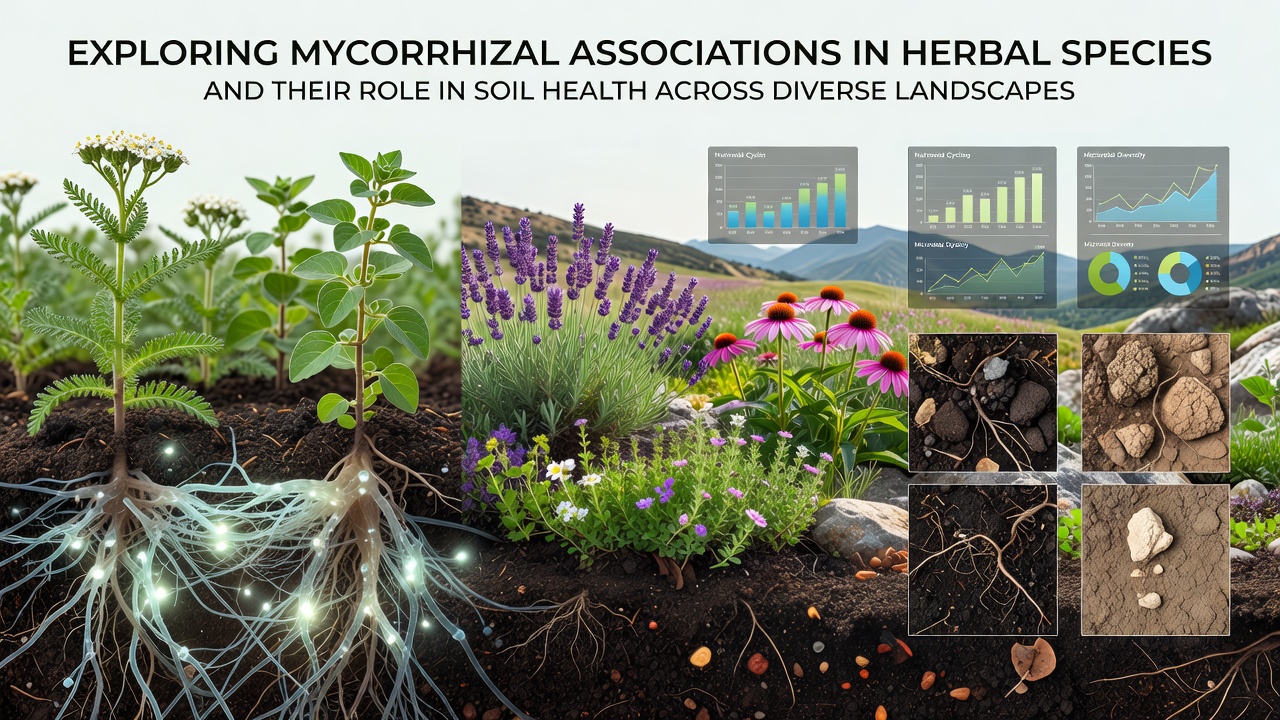
Mycorrhizal associations form when fungi colonize the root systems of herbal species, creating networks that facilitate nutrient uptake and water absorption while teh plants supply carbohydrates in return, and these partnerships occur across forests, grasslands, and arid zones where soil conditions vary widely. Researchers have documented how arbuscular mycorrhizal fungi dominate in many herbaceous plants such as those in the Asteraceae and Lamiaceae families, extending hyphal threads that increase effective root surface area by factors of ten to one hundred times.
Data from field observations show these associations improve phosphorus and nitrogen availability in nutrient-poor soils, and they also stabilize soil aggregates through glomalin production, which binds particles and reduces erosion rates in sloped terrains. Experts note that herbal species including echinacea, lavender, and ginseng exhibit higher survival rates when mycorrhizal colonization reaches optimal levels, particularly during drought periods when fungal hyphae access deeper moisture reserves.
Mechanisms of Nutrient Exchange and Plant Support
The process begins with spore germination near young roots, after which fungi penetrate cortical cells to form arbuscules where exchange occurs, and studies indicate that up to eighty percent of phosphorus in some herbal plants arrives through these fungal pathways rather than direct root absorption. In return, plants allocate between four and twenty percent of their photosynthates to the fungi, sustaining the network that also connects multiple individuals in what researchers describe as common mycorrhizal networks.
Evidence from controlled experiments reveals that colonized herbal species display enhanced resistance to pathogens because the fungi trigger systemic defense responses, and they tolerate heavy metal contamination better through sequestration within fungal structures. Observers report that soil enzyme activity rises in the presence of these associations, accelerating organic matter decomposition and releasing additional minerals over seasonal cycles.
Contributions to Broader Soil Health Indicators
Soil health metrics such as aggregate stability, microbial biomass, and carbon sequestration improve measurably when mycorrhizal populations thrive, and long-term monitoring programs track how these changes accumulate across agricultural and natural settings. Figures from multi-year trials show increases in soil organic carbon by fifteen to thirty percent in plots supporting strong fungal networks compared with sterilized controls.
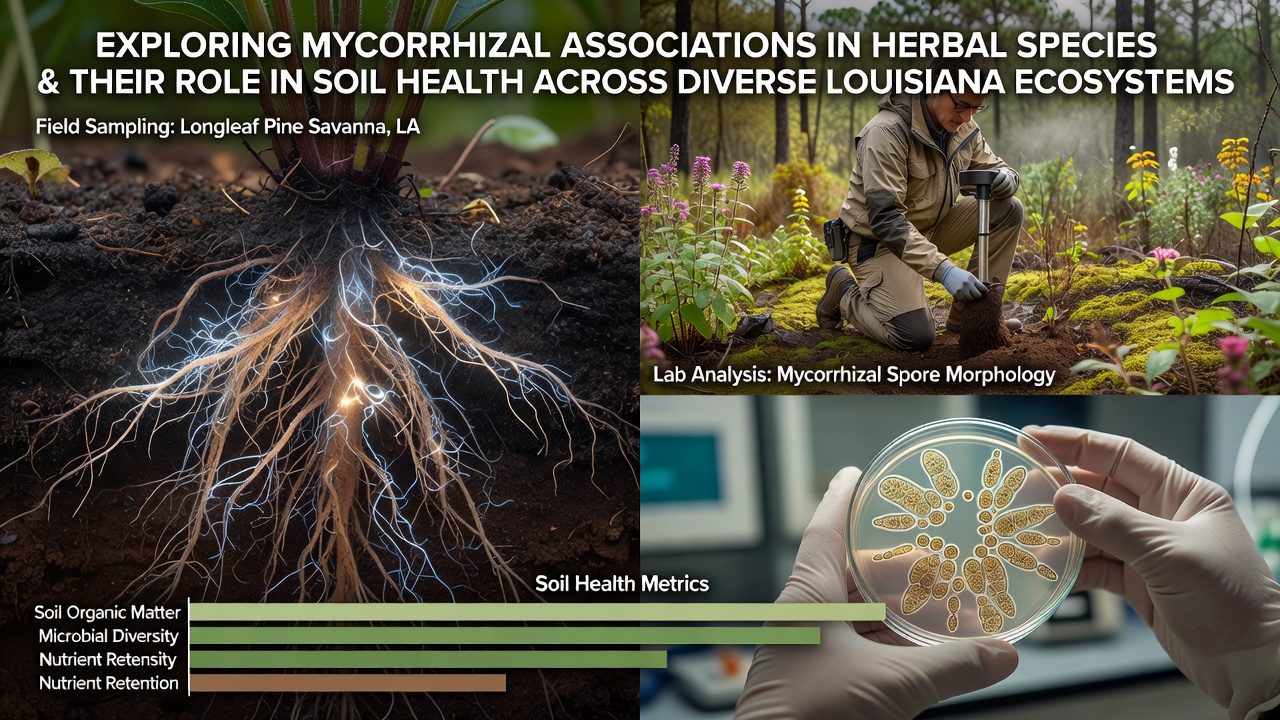
Researchers have observed reduced compaction and improved water infiltration rates in mycorrhiza-rich soils, which lowers runoff during heavy precipitation events and supports consistent moisture levels for perennial herbs. In October 2026, updates from ongoing international soil monitoring efforts highlighted expanded datasets confirming these patterns across continents, with particular emphasis on restoration sites where herbal species reintroduction accelerated fungal recovery.
Variations Across Different Landscape Types
In temperate meadows, associations with perennial herbs strengthen topsoil layers against wind erosion, whereas in mountainous regions the same fungi help herbal species anchor shallow soils on steep gradients. Arid and semi-arid landscapes present different dynamics where drought-adapted mycorrhizal strains enable herbs such as sage and thyme to persist, and studies from Australian rangelands document how these partnerships maintain plant cover during extended dry spells.
Forest edges and riparian zones feature mixed associations involving both arbuscular and ectomycorrhizal types when herbs grow near woody species, creating interconnected webs that transfer resources between plants, and data collected by Canadian agricultural research stations indicate higher biodiversity in soils supporting these networks. Wetland margins show adaptations where fungi tolerate periodic flooding while still aiding herbal species in nutrient uptake from anaerobic zones.
Management Practices That Influence These Associations
Reduced tillage preserves existing hyphal networks, and avoidance of high-phosphorus fertilizers prevents suppression of fungal colonization in herbal cultivation areas. Cover cropping with mycorrhizal host plants between main seasons builds inoculum levels, and seed inoculation techniques used by commercial growers demonstrate faster establishment of medicinal herb stands in previously disturbed ground.
According to reports from the European Commission's soil research initiatives, integration of these practices across diverse European landscapes correlates with improved overall soil fertility scores, and similar patterns appear in North American prairie restoration projects tracked by university extension services. Those managing herbal production note that monitoring root colonization percentages provides practical feedback for adjusting field strategies over multiple growing cycles.
Conclusion
Mycorrhizal associations in herbal species underpin soil health improvements that manifest through enhanced nutrient cycling, structural stability, and resilience across meadows, forests, and arid zones alike. Research continues to map these interactions at landscape scales, revealing consistent benefits that support both natural ecosystems and managed herbal systems without reliance on intensive inputs. Ongoing data collection ensures these patterns remain documented as environmental conditions shift.