Drew Schulz · 22 November 2026
Connections Between Yarrow Compounds and Insect Repellent Properties in Historical Fabric Preservation Techniques from Asian Trade Routes
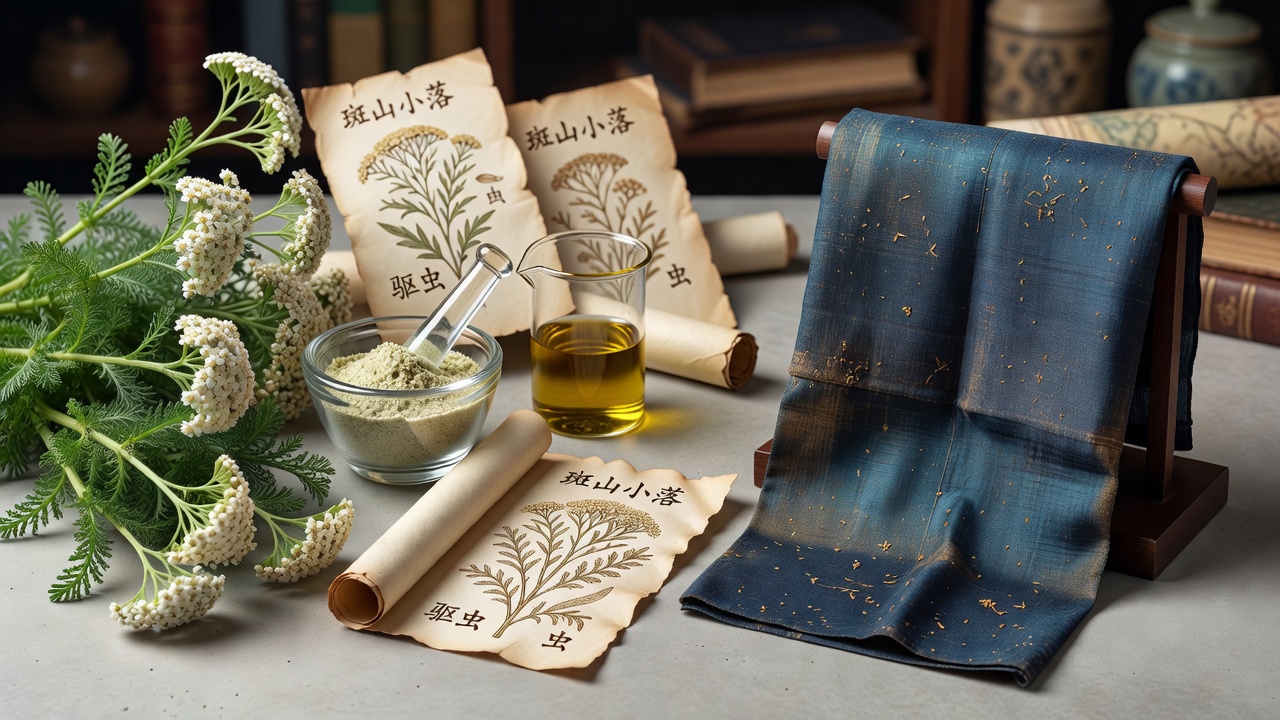
Historical records from the Silk Road and related maritime paths show that traders and artisans incorporated yarrow into methods for protecting textiles against insect damage during long-distance transport and storage, and researchers have traced these practices across Central Asia, China, and parts of South Asia from the early centuries of the Common Era onward. Chemical analyses indicate that yarrow contains volatile oils and flavonoids, including compounds such as thujone and borneol, which demonstrate repellent effects on common fabric pests like moths and beetles according to laboratory studies conducted in multiple regions.
Along the overland routes connecting the Mediterranean to East Asia, merchants packed bolts of silk and wool with dried bundles of yarrow because the plant's aromatic properties helped limit larval infestation in humid climates where insects thrived, while similar techniques appeared in Indian Ocean trade records from ports in present-day Indonesia and India where fabrics moved between islands and coastal cities. Evidence from excavated storage sites reveals layers of yarrow leaves placed between folded garments, a practice that combined preservation with the plant's traditional role in local pharmacopeias.
Key Compounds and Their Effects on Insects
Studies of yarrow essential oils reveal consistent patterns in how specific molecules interact with insect sensory systems, and data from controlled tests show reduced egg-laying behavior in several moth species when exposed to yarrow extracts at concentrations matching those used in historical bundles. Observers note that these compounds work through both direct toxicity at higher levels and behavioral disruption at lower concentrations, which aligns with the modest amounts traders could carry without adding excessive weight or bulk to caravans.
Research teams in East Asia have documented seasonal variations in yarrow's active constituents, with peak levels of repellent terpenes occurring in plants harvested during late summer months, and this timing matched the preparation cycles for goods shipped before winter closures of mountain passes.
Techniques Along Trade Corridors
Textile workers in oasis towns applied yarrow infusions to dye vats or final rinses, allowing the compounds to bind with natural fibers and extend protection beyond the initial packing stage, while in highland communities near the Himalayas similar washes preserved woolens destined for markets further south. Archaeological samples from 8th-century caches demonstrate measurable residues of yarrow-derived molecules still present on fiber surfaces, confirming the method's durability through centuries of burial.

Merchants traveling the northern steppe routes sometimes layered yarrow with other aromatic herbs such as artemisia species, creating composite barriers that addressed multiple pest pressures, and records from 14th-century Persian sources describe standardized quantities per bale that balanced cost against expected transit time. These combinations appear repeatedly in merchant manuals preserved in regional libraries, indicating shared knowledge across linguistic and cultural boundaries.
Evidence from Modern Analyses and Recent Findings
Contemporary examinations using gas chromatography have identified matching chemical signatures between yarrow samples collected from historical trade route regions and residues on preserved fabrics held in museum collections, and a 2026 symposium scheduled for November in Tashkent will present new isotopic data tracing specific yarrow populations to known collection areas along former caravan paths. Such work builds on earlier findings from Australian university laboratories that quantified repellent thresholds for key yarrow compounds against dermestid beetles common in stored textiles.
Additional cross-referencing with Japanese botanical archives shows parallel use of related Achillea species in fabric chests during the Edo period, where traders adapted continental techniques to local materials, and these records provide comparative data on how climate influenced application rates.
Conclusion
Documented connections between yarrow chemistry and fabric preservation along Asian trade routes rest on converging lines of historical texts, archaeological residues, and modern chemical assays that continue to expand understanding of these practices, and ongoing research projects scheduled through late 2026 will likely add further detail from previously unexamined sites. The integration of yarrow into these methods reflects practical responses to environmental challenges faced by traders who moved valuable goods across vast distances.